
.png)
When to Rebuild or Replace a Diesel Engine
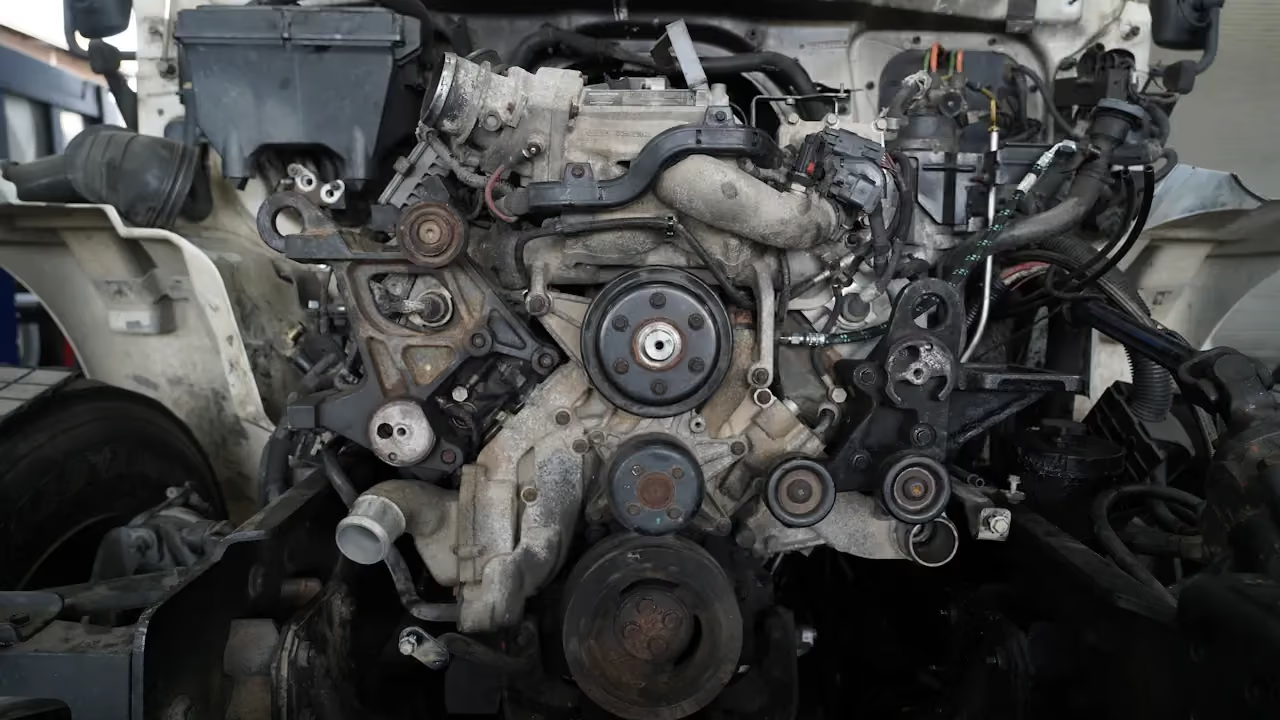
After years of hauling, towing, idling, and operating under heavy loads, engines eventually begin to wear down. When that happens, truck owners are often faced with a major decision: rebuild the engine or replace it entirely.
Warning Signs of Serious Diesel Engine Problems
Most diesel engines provide several warning signs before complete failure occurs. Identifying these symptoms early can help prevent catastrophic damage and give you more repair options.
Common indicators include:
- Excessive exhaust smoke
- Noticeable power loss
- Increased oil consumption
- Hard starting conditions
- Knocking or ticking noises
- Frequent overheating
- Low oil pressure
- Metal shavings during oil changes
- Poor fuel economy
- Rough idling or engine misfires
These symptoms often point toward internal wear involving pistons, cylinder liners, bearings, injectors, or the crankshaft assembly. In many cases, operators continue driving despite these warning signs. Unfortunately, delaying repairs often allows minor wear to become catastrophic engine damage.
What Happens During a Diesel Engine Rebuild?
A diesel engine rebuild restores the existing engine using a combination of new parts, machining work, and detailed inspections.
During the rebuild process, technicians disassemble the engine completely and inspect each component for wear or damage. Some parts are replaced outright, while others may be resurfaced or machined if they remain within manufacturer specifications.
A rebuild commonly includes replacement or servicing of:
- Pistons and piston rings
- Cylinder liners
- Main and rod bearings
- Gaskets and seals
- Camshafts
- Crankshafts
- Oil pumps
- Fuel injectors
- Timing components
The goal is to restore proper compression, lubrication, and combustion efficiency while retaining the original engine block. For many heavy-duty diesel engines, rebuilding is considered a normal part of the engine’s lifecycle.
When Rebuilding the Engine Is the Best Option
A rebuild is often the preferred solution when the damage is limited and the engine block remains structurally sound.
Rebuilding may make sense if:
- The truck still has strong overall value
- The engine block is not cracked
- Internal wear is considered repairable
- Downtime can be planned in advance
- Repair costs remain lower than replacement
- The drivetrain and transmission are still in good condition
Many fleet operators choose rebuilding because it allows them to extend engine life while maintaining compatibility with the truck’s existing systems. Rebuilding can also be more cost-effective for trucks that are otherwise dependable and well-maintained.
When Replacing the Engine Makes More Sense
Sometimes rebuilding is no longer practical. Severe damage or excessive wear may make replacement the more reliable long-term option.
Complete engine replacement is often recommended when:
- The engine block is cracked
- A connecting rod has failed
- Severe overheating has warped components
- Multiple rebuilds have already been performed
- Internal damage has spread throughout the engine
- Downtime costs are becoming excessive
- The engine has extremely high mileage
Catastrophic failures can send metal debris throughout the lubrication system, damaging multiple internal components simultaneously. In these situations, replacement often provides greater reliability and lower long-term risk.
For commercial trucks that cannot afford repeated downtime, replacing the engine may ultimately reduce operational costs.
Cost Considerations for Rebuild vs Replacement
Cost is one of the biggest factors when deciding between rebuilding and replacing a diesel engine. However, the cheapest option is not always the best investment.
A low-cost rebuild performed on a severely worn engine may lead to additional failures shortly afterward. On the other hand, replacing the engine in an aging truck with major suspension or transmission problems may not provide enough long-term value. A complete inspection of the truck’s overall condition is essential before making a final decision.
The Importance of Preventive Maintenance
Many major engine failures can be avoided through proper preventive maintenance.
Diesel engines depend heavily on lubrication, cooling, and fuel system performance to operate correctly. Neglecting routine maintenance accelerates wear on internal components and dramatically increases the likelihood of catastrophic failure.
Preventive maintenance should include:
- Routine oil and filter changes
- Coolant system inspections
- Fuel system servicing
- Turbocharger inspections
- Oil pressure monitoring
- Air filter replacement
- Scheduled diagnostic scans
- Immediate attention to overheating issues
Why Professional Diagnostics Matter
Modern diesel engines are highly complex systems controlled by advanced electronics, emissions equipment, and fuel delivery systems.
Symptoms such as power loss, smoke, overheating, or hard starting may not always indicate total engine failure. In some cases, the issue may involve injectors, turbochargers, cooling systems, or aftertreatment components instead.
Professional diagnostics help determine:
- The true extent of engine damage
- Whether rebuilding is possible
- If replacement is the safer option
- Which supporting systems may also require repairs
Accurate diagnostics prevent unnecessary repairs and help operators make informed financial decisions.
Schedule Your Engine Inspection Today
A rebuild can restore performance and extend engine life when internal damage remains manageable and the engine block is still structurally sound. Replacement, however, may be the better investment when catastrophic damage, repeated failures, or excessive wear compromise long-term reliability.
At Guys Truck and Tractor in Dubuque, IA, our diesel technicians can evaluate your engine, identify the source of failure, and help determine the most cost-effective solution for your truck or fleet.